DVSA Load Security Checks Explained: What UK Drivers Need to Know
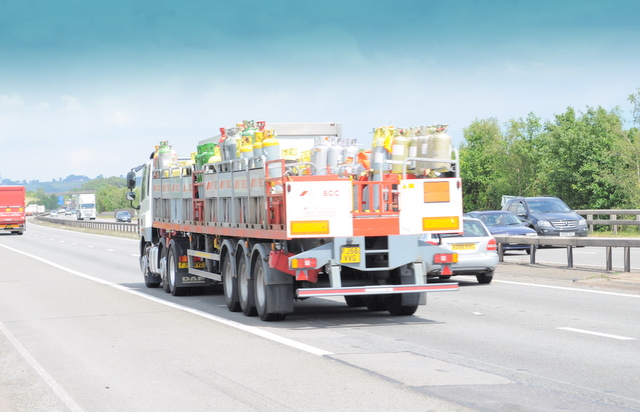
Load security is one of the most common reasons vehicles are stopped and prohibited on UK roads. The Driver and Vehicle Standards Agency (DVSA) carry out roadside inspections daily to ensure loads are transported safely and legally.
Introduction
Understanding what DVSA examiners look for can help drivers and operators avoid penalties and more importantly, prevent serious incidents.
What Are DVSA Load Security Checks?
DVSA load security checks are roadside or depot inspections where enforcement officers assess whether a vehicle’s load is:
- Properly secured
- Stable during transit
- Not a danger to the driver or other road users
If a load is considered unsafe, DVSA can take immediate action.
Where Do Checks Happen?
DVSA inspections typically take place:
- At roadside checkpoints
- At weighbridges
- At operator premises
- During targeted enforcement campaigns
These checks can happen at any time, without prior notice.
What Do DVSA Examiners Look For?
1. Load Restraint
Officers check whether:
- Appropriate restraints are used (straps, chains, bars)
- Equipment is in good condition
- The load is secured tightly enough to prevent movement
2. Load Stability
They assess whether the load:
- Can shift under braking or cornering
- Is stacked safely
- Is evenly distributed across the vehicle
3. Weight Distribution
Uneven loads can affect vehicle handling. DVSA will check:
- Axle weight limits
- Balance across the vehicle bed or trailer
- Risk of tipping or instability
4. Condition of Equipment
Worn or damaged securing equipment is a major issue. Inspectors look for:
- Frayed straps
- Damaged chains
- Faulty anchor points
Possible DVSA Outcomes
If issues are found, DVSA may issue:
- Advisory notice – minor issue to fix
- Immediate prohibition – vehicle cannot continue
- Fixed penalty fines
- Court action – for serious breaches
Serious cases may also affect your operator licence.
Common Reasons for Failure
According to industry guidance and enforcement trends, the most common problems include:
- Insufficient number of restraints
- Loose or poorly tensioned straps
- Unsecured partial loads
- Incorrect securing method for the goods type
The Road Haulage Association (RHA) frequently highlights these as avoidable mistakes.
How to Prepare for a DVSA Check
Before the Journey
- Inspect all securing equipment
- Confirm load weight and distribution
- Use the correct restraint method
During the Journey
- Recheck the load after the first few miles
- Inspect again during long trips
Driver Responsibility
Drivers are legally responsible for ensuring the load is safe, even if they didn’t load the vehicle.
Guidance from the Health and Safety Executive (HSE) also stresses shared responsibility between drivers and operators.
Best Practice Tips
- Always over-secure rather than under-secure
- Use edge protectors to prevent strap damage
- Follow manufacturer load restraint guidelines
- Keep a checklist for every journey
Conclusion
DVSA load security checks are designed to keep UK roads safe. By understanding what inspectors look for and following best practices, drivers and operators can avoid penalties and operate to a better professional standard.
Load security isn’t just about compliance, it’s about safety, reputation, and responsibility.
Paul Dyde
Paul is a leading transport consultant with over 35 years of experience in regulatory compliance and fleet management. He specialises in helping operators navigate the complexities of the Traffic Commissioner's inquiries.

